
Tokenization is a multifaceted concept that plays a vital role in various domains, including natural language processing (NLP), blockchain, and finance. At its core, tokenization involves the conversion of something into discrete units, called tokens. These tokens can represent words, phrases, assets, or any other significant entity. Understanding tokenization is crucial for anyone involved in modern technology, whether working with text data, cryptocurrencies, or financial markets. In this article, we will explore the concept of tokenization from different angles, its significance, and its applications in various fields.
What is Tokenization?
Tokenization refers to the process of transforming an input, such as text or an asset, into smaller, more manageable units or tokens. The tokens are usually defined as a meaningful representation of the input in a simplified form. In natural language processing, tokenization refers to breaking text into smaller components like words, phrases, or sentences, making it easier to analyze and process the data. In blockchain and finance, tokenization refers to the creation of digital tokens that represent ownership of real-world assets, like real estate, stocks, or commodities.
The basic idea behind tokenization is to create something that can be processed, understood, or traded more efficiently. Whether the tokens represent text for computational processing or assets for financial transactions, tokenization plays a crucial role in simplifying and enhancing operations.
Tokenization in Natural Language Processing (NLP)
Tokenization is a foundational concept in NLP, which deals with the interaction between computers and human language. NLP is used in applications like chatbots, language translation tools, sentiment analysis, and information retrieval systems. Since computers do not inherently understand language in the way humans do, tokenization serves as one of the first steps in processing text data.
Types of Tokenization in NLP:
- Word Tokenization: In word tokenization, a text is divided into individual words. For example, the sentence “I love programming” would be tokenized into the following tokens: [“I”, “love”, “programming”]. This type of tokenization is the most common and is often used in tasks such as text classification, language modeling, and machine translation.
- Sentence Tokenization: Sentence tokenization breaks a block of text into individual sentences. It is especially useful when working with larger texts and when it’s necessary to analyze the sentence structure or perform tasks like sentiment analysis at a sentence level. For example, “I love programming. It’s so much fun!” would be split into two tokens: [“I love programming.”, “It’s so much fun!”].
- Subword Tokenization: Subword tokenization is often used in cases where words might be rare or out-of-vocabulary for a model. This technique breaks down words into smaller chunks. For instance, the word “programming” could be tokenized into “pro”, “gram”, “ming”. This is particularly useful for handling languages with rich morphology or for building models like GPT or BERT, which are designed to handle subword tokenization.
Importance of Tokenization in NLP
Tokenization is one of the essential pre-processing steps in NLP, as it simplifies complex language data into discrete chunks. These chunks, or tokens, are then used in further language processing tasks, such as:
- Text Classification: Tokens can be used to classify text into predefined categories (e.g., spam or not spam).
- Named Entity Recognition (NER): By tokenizing a text, systems can identify names, dates, locations, and other important entities.
- Machine Translation: Tokenization helps in translating texts accurately by dividing sentences into manageable parts.
Without tokenization, it would be incredibly difficult for a computer to process the vast complexity of human language.
Tokenization in Blockchain and Finance
While tokenization in NLP focuses on breaking text into meaningful units, tokenization in blockchain and finance refers to the creation of digital tokens that represent ownership of an asset. These tokens can represent various types of assets, such as stocks, real estate, or even artwork. Tokenization in blockchain operates on the principle that assets can be represented as tokens on a distributed ledger, making transactions more transparent, secure, and efficient.
What is Tokenization in Blockchain?
Tokenization in blockchain involves converting the ownership rights of a physical asset into a digital token that exists on a blockchain. These digital tokens represent a portion of ownership in the asset. Blockchain technology ensures that transactions involving these tokens are secure, transparent, and irreversible. By tokenizing assets, blockchain opens the door for fractional ownership, easier asset transfer, and the potential for global markets.
Examples of Tokenization in Blockchain:
- Cryptocurrencies: Cryptocurrencies like Bitcoin and Ethereum are some of the most well-known examples of blockchain tokenization. These tokens represent digital value and can be traded or used for transactions.
- Security Tokens: Security token offerings (STOs) represent tokenized versions of traditional securities, such as stocks, bonds, or real estate. These tokens can be traded on blockchain platforms, and they provide investors with fractional ownership of real-world assets.
- Non-Fungible Tokens (NFTs): NFTs are unique digital tokens that represent ownership of a specific asset, such as artwork, music, or collectibles. Each NFT is distinct and cannot be exchanged for an identical one, which is why it is called “non-fungible.”
- Real Estate Tokenization: Tokenizing real estate allows investors to own fractional shares of real estate properties. Through tokenization, the barriers to entry for real estate investments are lowered, making it accessible to a broader range of people.
Benefits of Tokenization in Blockchain
- Liquidity: Tokenization makes it easier to trade assets in smaller, more divisible units. This enhances liquidity, particularly for traditionally illiquid assets like real estate and art.
- Fractional Ownership: Tokenization allows for fractional ownership of high-value assets, lowering the financial barrier for investors.
- Transparency and Security: Blockchain provides a decentralized and transparent ledger that ensures that ownership records are immutable and verifiable.
- Reduced Transaction Costs: With tokenized assets, intermediaries such as brokers, banks, and notaries can be eliminated, leading to faster and cheaper transactions.
Tokenization in Finance
Tokenization also extends to traditional finance, where it is used to create digital representations of assets for easier trading, investment, and transfer. The advent of blockchain technology and smart contracts has greatly facilitated tokenization in finance. It has the potential to disrupt traditional financial systems by enabling peer-to-peer transactions, reducing the reliance on banks and financial institutions.
Tokenization in Data Privacy and Security
Another context where tokenization is used is in data privacy and security. Tokenization can be used to protect sensitive data by replacing it with a token that represents the original information. For example, credit card numbers can be tokenized so that the actual number is not stored or transmitted, minimizing the risk of data breaches. The tokenization process is reversible only by authorized parties, which makes it highly secure.
Use of Tokenization in Payment Systems
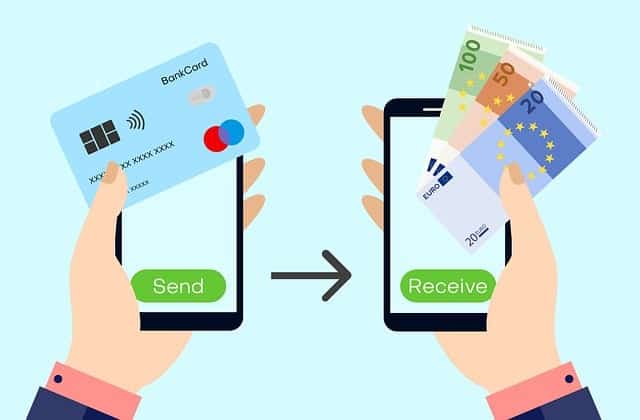
In payment systems, tokenization replaces sensitive card details (such as credit card numbers) with a token that cannot be used outside of a specific transaction context. For example, when a user makes a payment through a mobile wallet, the actual credit card number is replaced by a token, which can only be used for that specific payment, reducing the risk of fraud.
Conclusion
Tokenization is a powerful concept that spans across multiple industries and technologies, from NLP to blockchain to financial markets. Whether you’re processing text data or handling assets on a blockchain, tokenization helps to simplify complex systems and create more efficient, secure, and scalable processes. As technology continues to evolve, the applications of tokenization will likely expand further, driving innovation across various fields. Understanding tokenization and its implications is crucial for anyone seeking to stay at the forefront of digital transformation and modern technological advancements.
Also read: https://www.0xequity.com/


Welcome to Keys-Shop.in, Browse through our diverse selection, which includes popular products like: Windows 10 Professional, Office 2021 Professional Plus, Adobe Creative Cloud,Tradingview, Google One Premium, Chatgpt, Perplexity, dropbox, Invideo, Autocad, coreldraw, Canva, YouTube Premium, IPTV, Midjourney, Blackbox Ai, VidIQ Boost For Lifetime, Rytr, NVIDIA Geforce Now . We offer competitive prices, exclusive deals, and licensed software to ensure you get the best value and peace of mind. To assist you in making informed decisions, our website provides comprehensive product descriptions, customer reviews, and ratings. Welcome to the world of limitless possibilities at keys-shop.in.